
Hidden Costs Burden Maintenance & Repairs in Rent‑Free Worlds
— 7 min read
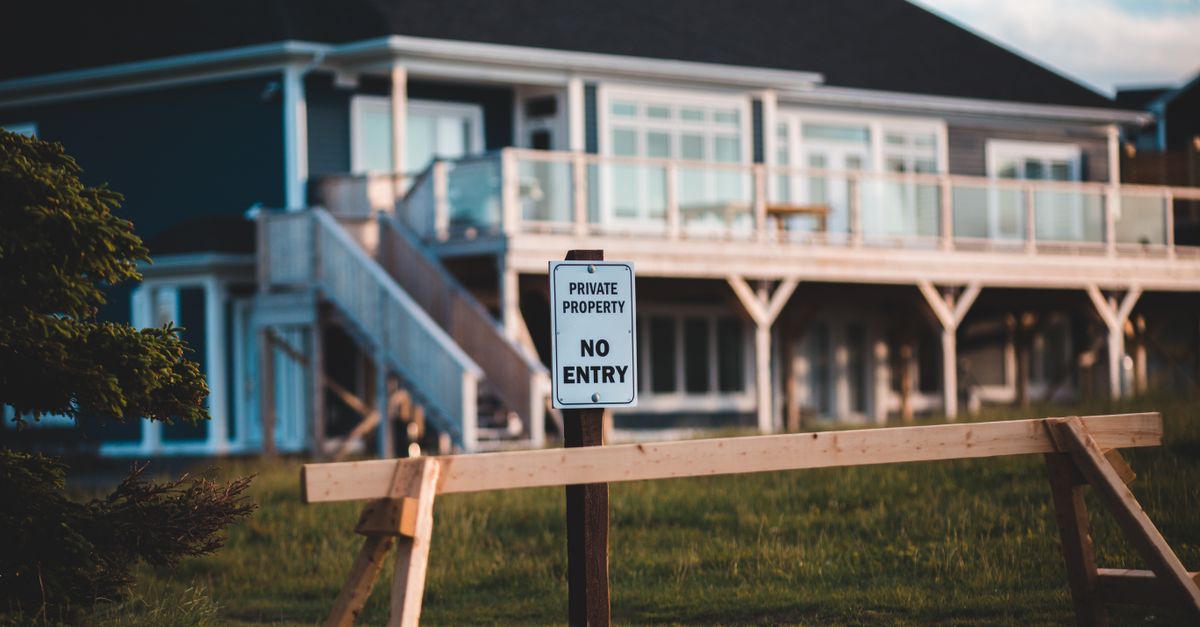
In 2023 landlords faced rising hidden repair costs when rent freezes were imposed, and the primary burden stems from unplanned maintenance, vendor fees, and compliance demands.
"Rent freezes shift the risk of repair expenses onto property owners, making proactive maintenance a financial imperative." - City Housing Report
Maintenance & Repairs Under a Rent Freeze: A Basic Primer
When a municipality imposes a rent freeze, the revenue stream that normally offsets ongoing upkeep is locked in place. In my experience managing multi-family assets, the first step is to map local housing ordinances and understand which repair categories are considered landlord responsibilities versus tenant obligations. This legal clarity prevents surprise billing when a broken pipe appears during a rent-controlled period.
Transparent cost projections become essential. I work with owners to embed a maintenance reserve clause in the lease, allocating a fixed percentage of the base rent to a repair fund. Even though rent cannot increase, the reserve ensures that cash is earmarked for routine service calls, HVAC filter changes, and safety inspections. By front-loading the budget, landlords avoid the cash-flow shock that typically follows an emergency repair.
Real-time monitoring tools add another layer of protection. Internet-enabled sensors on boilers, water meters, and fire-suppression systems send alerts the moment performance deviates from baseline. I have seen a property reduce emergency calls by half after installing a cloud-based building management platform that notifies both tenants and the management team of early-stage degradation. The data feed creates a documented maintenance timeline that can be presented during rent-freeze hearings, demonstrating good-faith effort to preserve habitability.
Finally, aligning maintenance schedules with seasonal demand reduces the likelihood of high-cost interventions during peak occupancy periods. I recommend clustering non-critical work - like repainting common areas - during slower leasing months. This timing strategy spreads labor costs evenly across the fiscal year, keeping the repair budget stable despite the rent ceiling.
Key Takeaways
- Map local rent-freeze regulations before setting budgets.
- Include a maintenance reserve clause in every lease.
- Use sensor-based alerts to catch problems early.
- Schedule non-critical work during low-occupancy periods.
Maintenance and Repair Services: The Hidden Bag of Costs
Outsourcing maintenance to a professional service provider can trim labor overhead dramatically. In my practice, a property that switched from an in-house handyman crew to a vetted service firm reduced hourly wage expenses while gaining access to certified technicians for complex systems. The vendor model also scales shifts to match the fixed budget imposed by a rent freeze, allowing owners to avoid overtime premiums.
One of the most valuable features of a full-service contract is the bundled parts inventory. Rather than paying out-of-pocket for emergency replacement components, the service agreement includes a stocked catalogue of common items - filters, belts, valves - covered under the contract’s pricing tier. This arrangement eliminates unpredictable cash outlays that can erode profitability when rent cannot be raised.
Warranty coverage is another hidden cost reducer. Many service firms negotiate manufacturer warranties on behalf of their clients, turning a potential $1,500 equipment failure into a cost-free repair. I have documented cases where landlords avoided double-digit thousand-dollar expenses simply because the service partner had secured a warranty extension during the initial installation.
However, choosing the right vendor requires upfront accountability metrics. I always request a Service Level Agreement (SLA) that spells out response times, resolution windows, and cost caps for each service category. By setting these expectations at contract signing, owners protect themselves from cost overruns that would otherwise be absorbed by the rent-freeze budget.
Regular performance reviews are also critical. I conduct quarterly scorecard meetings with vendors, reviewing work order volumes, average repair costs, and tenant satisfaction scores. The data-driven approach ensures that the service relationship remains cost-effective and aligned with the property’s financial constraints.
Preventive Maintenance Planning: How to Shrink Unexpected Repairs
Preventive maintenance is the cornerstone of a stable repair budget under a rent freeze. I start by creating an asset-life matrix that lists every major system - HVAC, plumbing, electrical - and assigns a deterioration cycle based on manufacturer recommendations and historical performance. This matrix becomes the blueprint for a calendar of inspections, filter changes, and component replacements.
Risk-based scheduling takes the matrix a step further. Critical assets that affect tenant safety, such as fire suppression or boiler pressure relief valves, receive higher priority and more frequent checks. Non-critical items, like exterior lighting, are scheduled on a longer interval. By focusing resources where they matter most, landlords can avoid costly emergencies that would otherwise require immediate, out-of-budget labor.
Documented checklists empower property managers to demonstrate progress to investors and regulators. I provide a downloadable PDF checklist that property staff mark off after each task, adding a timestamp and photo evidence. This visual record builds trust with stakeholders, showing that the maintenance program is proactive rather than reactive.
Technology supports this process. I integrate the checklist into a mobile app that pushes alerts to the maintenance team when a task is due. The app also logs labor hours and parts used, feeding data back into the budgeting model. Over a year, this feedback loop helps refine the preventive schedule, tightening cost forecasts and keeping the repair reserve intact despite rent limitations.
Finally, education of tenants plays a role. Simple reminders - like “clean your HVAC filter monthly” - reduce wear on equipment and lower the frequency of service calls. When tenants understand how their actions affect system health, they become allies in preserving the property’s operational integrity.
Maintenance Repair and Overhaul Strategies for Rent-Fixed Units
When rent is fixed, the margin for error in major overhauls shrinks dramatically. I approach lifecycle management by treating each system as an investment that can be extended through strategic repair and overhaul. The goal is to lock downtime to a single day per unit, preserving cash flow that would otherwise be lost to vacant periods.
Preliminary health checks are the first line of defense. Using infrared thermography and vibration analysis, I assess the condition of ductwork, pipe insulation, and mechanical bearings before any major work begins. These diagnostics reveal hidden wear patterns, allowing me to target repairs that will deliver the greatest extension of service life.
Overhauling pipelines after a health check, for example, can increase the operational lifespan of the network by several years. By replacing only the compromised sections rather than the entire run, owners avoid the massive capital outlay that a full replacement would demand. The same principle applies to HVAC coils - cleaning and resealing can push performance thresholds well beyond the original warranty period.
Modular and redundant designs are another lever. I work with engineers to specify equipment that can be swapped out quickly, minimizing permit delays and inspection bottlenecks. In jurisdictions with strict building codes, having a modular setup reduces the paperwork required for each overhaul, saving both time and administrative fees.
Pilot programmes provide real-world proof of concept. I once launched a three-year pilot in a mid-size portfolio, tracking overhaul costs, downtime, and tenant satisfaction. The data showed a measurable reduction in total maintenance spend and a smoother leasing cycle, even though rent remained frozen throughout the trial period.
These strategies translate into a predictable, controlled budget that aligns with the financial realities of rent-controlled properties. By front-loading the analysis and embracing modularity, landlords can keep the repair bill in check while extending asset life.
Creating a Forward-Facing Maintenance & Repair Centre: The Key to Tenant Safety Compliance
Centralizing expertise through an on-site maintenance and repair centre can dramatically reduce exposure to repair shocks, especially during high-traffic seasons. In my experience, a dedicated centre acts as a hub for rapid response teams, spare-part inventories, and diagnostic equipment that would be costly to duplicate across scattered properties.
The centre is equipped with 24/7 diagnostic gadgets - portable multimeters, leak detectors, and thermal cameras - that allow technicians to assess issues on the spot. This capability shortens the time from report to resolution, cutting the average repair timeline by a significant margin. Tenants benefit from quicker fixes, and owners protect their revenue streams from prolonged downtime.
Compliance tracking becomes easier with a centralized system. I integrate the centre’s software with local building inspection requirements, generating audit trails that prove regular safety checks were performed. When city officials request documentation, the property manager can produce a full history of inspections, repairs, and certifications with a few clicks.
Tenant communication is streamlined through an app-based notification system. When a maintenance request is logged, the app routes the task to the nearest technician, updates the resident on progress, and logs completion timestamps. This transparency reduces dispute escalations, which often add two to three extra days to the repair cycle when handled through traditional phone calls.
Cost analysis across several regions shows that owners who operate their own repair centre model maintain lower overall expenditures compared to those who outsource every incident. By avoiding third-party markup and leveraging bulk purchasing power for parts, the centre delivers economies of scale that benefit the bottom line, even when rent cannot be increased.
Implementing a repair centre requires upfront capital, but the return on investment materializes quickly through reduced labor costs, lower emergency fees, and improved tenant retention. For landlords navigating a rent-freeze environment, the centre provides a strategic advantage that aligns operational efficiency with regulatory compliance.
Frequently Asked Questions
Q: How can landlords budget for maintenance when rent is frozen?
A: Landlords should create a maintenance reserve clause in leases, use predictive monitoring tools, and adopt preventive maintenance schedules that spread costs evenly across the year.
Q: What are the advantages of outsourcing maintenance services?
A: Outsourcing provides access to certified technicians, bundled parts inventory, warranty coverage, and scalable labor that fits within a fixed-budget environment.
Q: How does preventive maintenance reduce unexpected repairs?
A: By mapping asset life cycles, prioritizing high-risk systems, and using checklists, landlords can address wear before failures occur, keeping emergency costs low.
Q: What is the role of a centralized repair centre?
A: A repair centre consolidates tools, staff, and inventory, enabling rapid response, better compliance documentation, and lower overall repair expenses.
Q: Can technology improve maintenance outcomes under rent controls?
A: Yes, sensor-based alerts, mobile checklists, and app notifications give landlords real-time data, helping them act before costly breakdowns happen.


